Managing School Assets with K-12 Asset fusion 360 for Better Operational Visibility

School operations now depend on accurate, real time asset visibility. CoSN’s annual leadership survey This shows that sixty-three percent of districts invest five percent or less of their total budget in technology, leaving IT and operations teams to manage expanding device fleets and aging facilities with limited staff and resources.
This pressure is reshaping operational strategy across the country. Districts must track every device, monitor every building system, and justify every purchase, yet many still rely on scattered tools and manual spreadsheets that hide risks and delay decisions.
For forward-thinking districts, smarter asset tracking and management is now a strategic advantage. It protects budgets, improves maintenance planning, and strengthens every operational decision. Districts adopting digital asset systems have reported up to 30% reduction in equipment loss, 25% faster maintenance cycles, and significant savings through optimized device utilization and lifecycle planning.
This blog explores how smarter asset tracking and management supports K-12 and P-20 leaders who must do more with less.
Most districts can track assets. Very few can act on them with speed and precision. In many schools, a helpdesk ticket still arrives without context:
“Projector not working.” “Chromebook not functioning.”
No serial number. No user assignment. No building location. This slows repairs and reduces visibility into district operations.
A modern K12 asset management system changes that. It consolidates every detail status, age, warranty, assignment, and location into one environment. Support teams diagnose issues faster, and leaders see the patterns that influence long-term planning.
Modern ITAM turns device tracking into actionable intelligence, improving both day-to-day operations and districtwide strategic decisions.
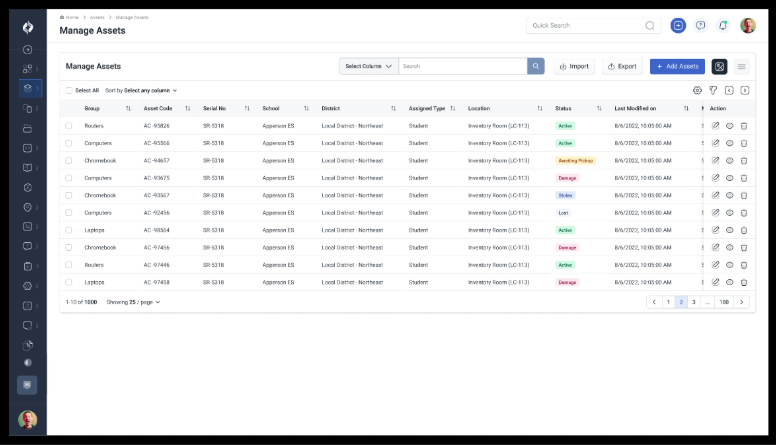
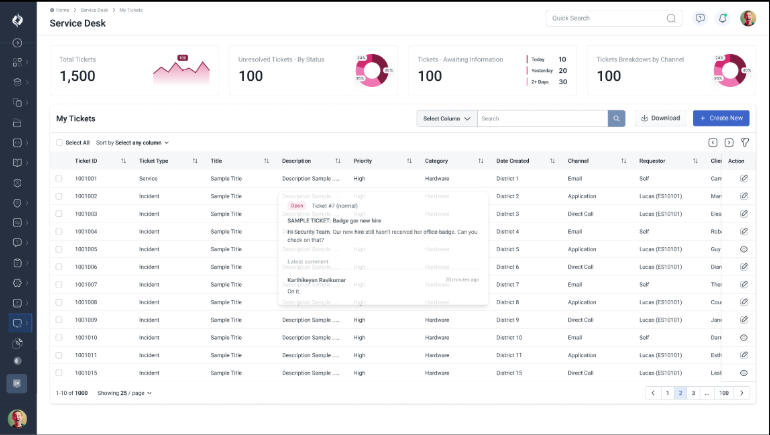
The real transformation happens when IT asset management integrates with a districtwide helpdesk. Instead of disconnected systems and incomplete data, districts gain a unified view that supports faster, smarter decisions. In platforms like Asset Fusion 360, this integration delivers immediate value:
Every helpdesk ticket is linked to the exact asset.
Technicians receive full context instantly.
Warranty and age data help avoid unnecessary repairs.
Failure trends guide replacement and refresh planning.
A simple repair request becomes a strategic decision point. This is how modern district operations elevate operational intelligence and make budgeting more precise.
Districts using integrated school maintenance and work order management systems resolve issues faster and with far less confusion. Clear, structured workflows guide every request from submission to resolution.
The process is straightforward:
This role-based structure removes guesswork, eliminates unnecessary back-and-forth, and shortens the time it takes to get classrooms back to normal. With full context included in every ticket, technicians act quickly, and instructional time stays protected.
Stronger Accountability
Every device is trackable. Leaders know where assets are, who uses them, and how they perform over time. This reduces loss, improves oversight, and strengthens audit readiness.
Better Refresh and Budget Planning
Lifecycle data removes guesswork. Districts can plan replacements, forecast costs, and prioritize investments based on actual performance and risk—not assumptions.
Improved Work Order Management
IT and facilities teams manage support requests in a unified environment. This eliminates duplication, streamlines handoffs, and ensures issues are resolved faster and more consistently.
Real-Time Asset Visibility for School Districts
Decision-makers see issues as they emerge. Early insight reduces downtime, improves compliance, and keeps systems running smoothly across campuses.
Instructional Time Protected
Fewer delays. Faster repairs. Teachers remain focused on instruction, and students experience fewer disruptions in their learning environment.
Districts must modernize their operational systems as device fleets expand, facilities age, and expectations for reliability continue to rise. Legacy tools and manual processes will not keep pace with the demands ahead.
A unified school asset tracking and management platform paired with integrated ITSM workflows gives leaders a scalable, future-ready foundation. It supports stronger decision making, reduces operational risk, and ensures technology remains reliable for every classroom and campus.
This is the operational infrastructure districts will need to compete, to plan confidently, and to deliver consistent, high-quality support through 2026 and beyond.
Schools are stretched thin. Budgets are tight. Expectations continue to rise. Modern ITAM and ITSM give districts the clarity and control they need to operate with confidence.
A unified system strengthens asset accountability, speeds up support, improves maintenance planning, and protects instructional time. It gives leaders a reliable operational foundation one that reduces risk and ensures technology works when students and teachers need it most.
Districts adopting modern K-12 asset management systems are not simply tracking devices.
They are building stronger, more resilient operational models that support long-term stability and smarter decision making.
Hexalytics builds leadership-ready platforms for K-12 and P-20 systems. Our solutions transform complex data into clear insights for superintendents, CFOs, CIOs, operations leaders, and state agencies.
Asset Fusion 360 is part of our unified suite of solutions designed to strengthen visibility, improve decision making, and support stronger financial stewardship across the education ecosystem
See how Asset Fusion 360 unifies ITAM and ITSM into one real-time operational system.
Contact us to get started.
It centralizes devices, equipment, and support workflows in one place, giving teams real-time visibility and reducing manual tracking across schools.
It identifies misplaced or inactive assets, monitors warranties, and supports accurate refresh planning preventing unnecessary repairs and protecting budgets.
Helpdesk tickets automatically link to asset profiles, giving technicians full context and enabling faster, more accurate resolution.
It shows what the district owns, where assets are located, and what they cost, enabling faster and more informed decisions.
Clear steps for Initiators, Support Desk teams, and Technicians streamline ticket handling and ensure classrooms return to normal quickly.
Yes. Unified systems provide shared visibility, improving coordination and eliminating siloed workflows.
Centralized records track asset movement and maintain accurate inventories, reducing compliance risk and simplifying audits.
It surfaces lifecycle status, repair history, and projected costs, helping leaders build predictable budgets and long-term operational plans.
Gain a unified view of your district with connected systems, clearer insights, stronger governance, and smarter decisions as Hexalytics transforms scattered data into one strategic, efficient, and accountable K-12 portfolio.

Unified data platforms for higher education decision making deliver real-time enrollment analytics, financial clarity, and student success visibility, helping universities strengthen forecasting and institutional strategy.
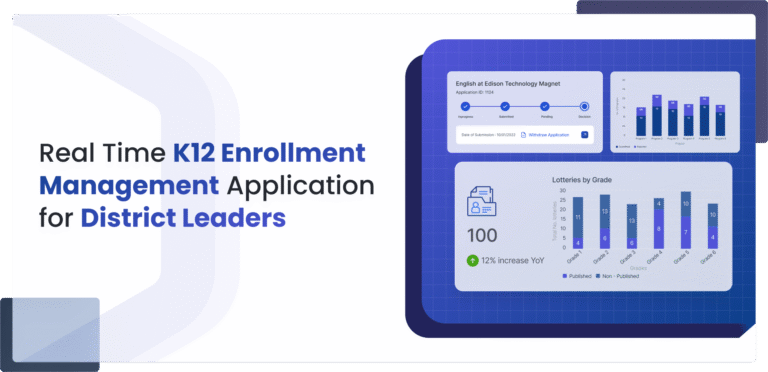
Get real-time insight with modern K-12 enrollment management software and AI-powered enrollment forecasting to help districts plan staffing, funding, and programs with confidence.
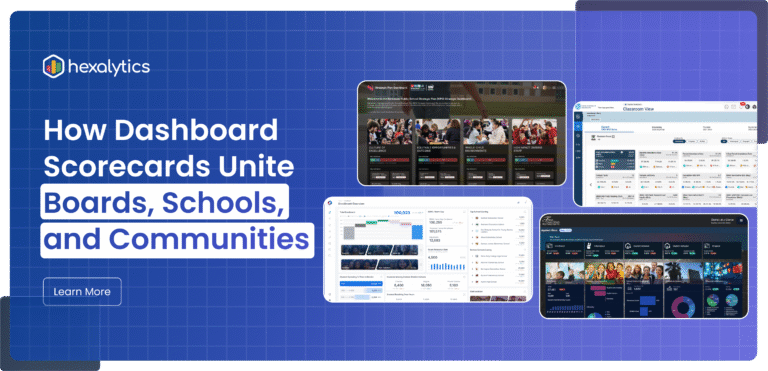
In every school district, there are important questions being asked every day: Are our students learning what they need to thrive? Are we supporting every child, in every school? Are our efforts actually making a difference? The truth is—everyone’s trying their best. But it’s hard to stay on the same page when different people are…
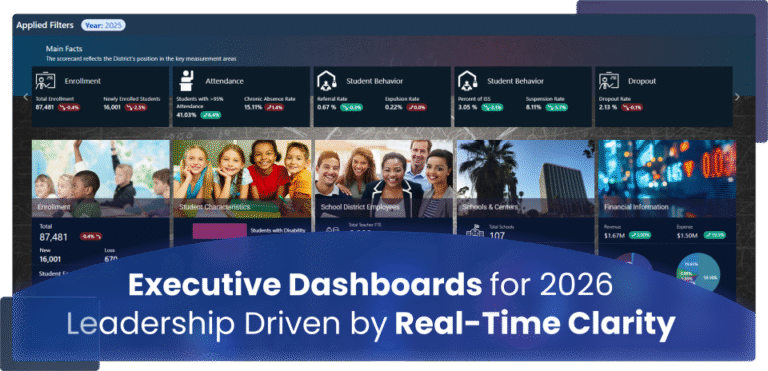
Real-time, AI-powered dashboards give K-12 and state leaders clarity to track shifts, predict risks, and make faster decisions. Explore how unified intelligence strengthens strategy, alignment, and 2026 readiness.
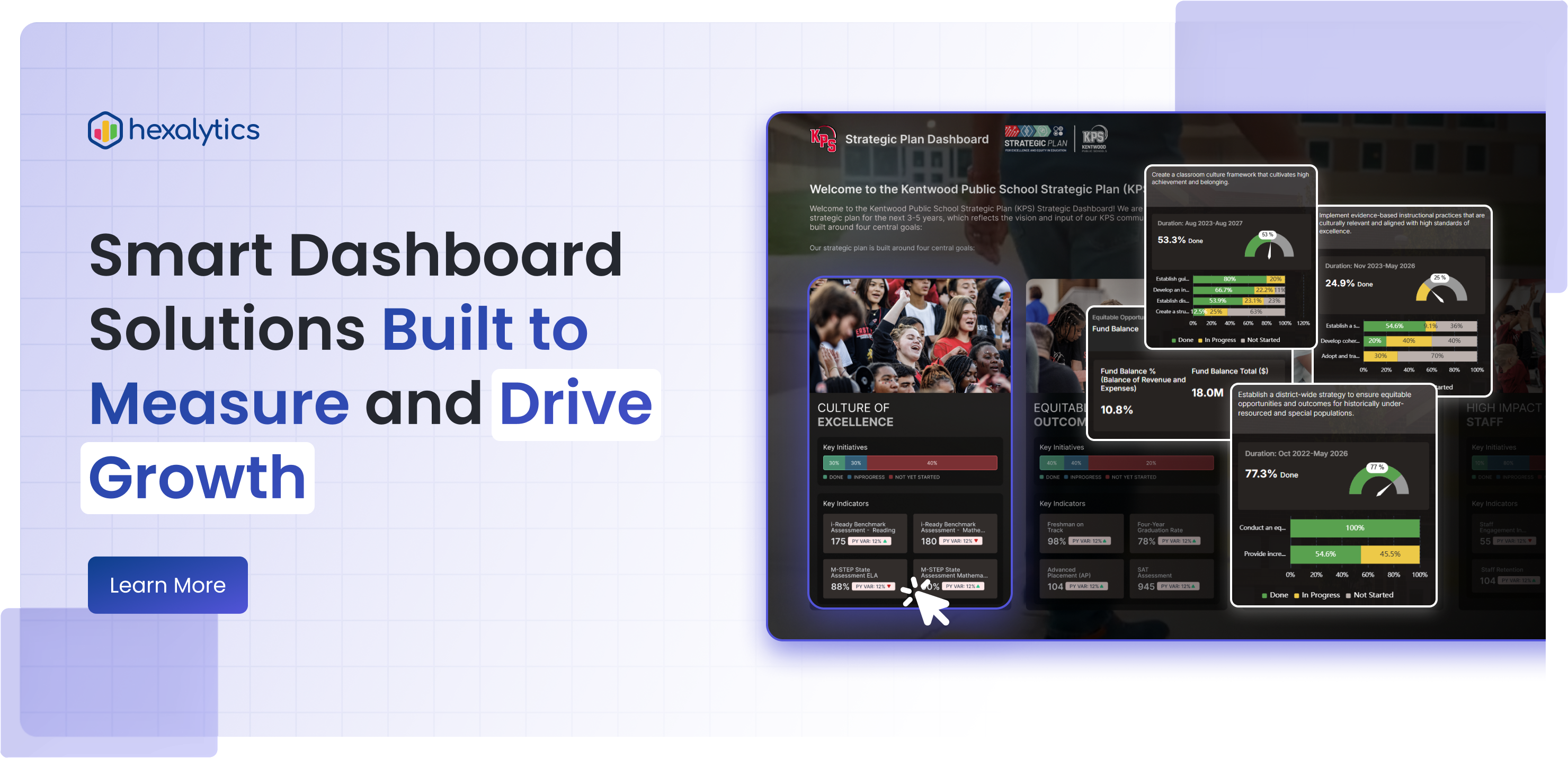
District and enterprise leaders are entering 2025 under pressure. From rising expectations for transparency to the demand for faster, smarter decisions, the old way of managing reports and static spreadsheets is no longer enough. Leaders need clarity, alignment, and confidence in every decision without losing time in the noise of fragmented systems. According to the…